Source Glass Ball Pendant Lamp for Office, Dining Room, Living Room
Compare 30 glass ball pendant lamp options from suppliers in China. Buyers can evaluate specifications like voltage, size, and material including metal and glass for office, dining room, and living room applications.
Key considerations
Products List


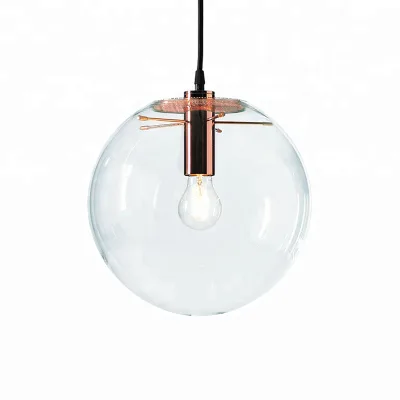


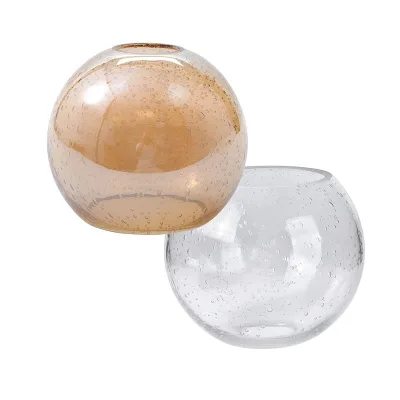


Comprehensive Sourcing Guide
Strategic Sourcing Guide for Glass Ball Pendant Lamps
Understanding Technical Specifications and Material Composition
When sourcing glass ball pendant lamps, the primary objective is to align the physical attributes of the fixture with the specific lighting requirements of the intended space. The core component, the glass ball, dictates both the aesthetic quality and the light diffusion characteristics. Based on observed market data, the lamp body material for these fixtures is frequently constructed from metal or aluminum, providing a robust structural framework to support the glass elements. The main material composition often involves a combination of metal and glass, ensuring durability while maintaining the desired visual transparency or opacity.
The dimensions of the glass balls and the overall fixture size are critical variables. Available specifications indicate that size options can range from specific diameters such as D250, D300, D350, and D400 millimeters, or buyers may find suppliers offering custom size acceptance. This flexibility allows procurement teams to tailor the scale of the lighting installation to the ceiling height and room proportions. The style of these fixtures is predominantly categorized as contemporary or modern, fitting seamlessly into office, dining room, living room, bedroom, and kitchen environments.
Lighting performance is another technical pillar. The light type observed in the market includes both LED and energy-saving options, with a working lifetime potentially reaching 30,000 hours for LED variants. The input voltage requirements vary, with some units operating on AC85-265V or AC110V-240V, ensuring compatibility with global electrical standards. The irradiated area for a single unit typically covers 5 to 10 square meters, though this depends heavily on the wattage and the specific design of the glass ball. Buyers must verify the beaming angle, which can be as specific as 45 degrees, to ensure the light distribution meets the ambient needs of the room. Additionally, the fixture may be sold with or without a light source, a distinction that significantly impacts the final assembly and cost structure.
Compliance and Certification Verification Protocols
In the B2B lighting sector, compliance is not merely a formality but a prerequisite for market access and safety assurance. When evaluating glass ball pendant lamps, buyers must rigorously verify the certification status of the products. The observed market data highlights several key certifications, including CE, RoHS, UL, and SAA. These standards indicate adherence to safety, environmental, and electromagnetic compatibility requirements. Specifically, the CE mark suggests conformity with health, safety, and environmental protection standards for products sold within the European Economic Area, while RoHS compliance ensures the restriction of hazardous substances.
The supply chain origin plays a significant role in certification reliability. Many suppliers originate from Zhongshan, Guzhen, or generally Guangdong, China, regions known as major lighting manufacturing hubs. While these locations produce high volumes of lighting goods, the presence of a certification mark does not automatically guarantee that every unit in a batch meets the standard. Buyers should request valid test reports and certificates that are traceable to the specific batch being purchased. The standards listed in product descriptions often include "ce, rohs, ul, saa," but it is the buyer's responsibility to confirm that these certifications are current and applicable to the specific model number, such as TP-G018, TP-G025, or YF8P007.
Furthermore, the packaging standards are part of the compliance and quality ecosystem. Products are typically packed inside poly foam and enclosed in a 5-layer carton to prevent damage during transit. This packaging method is essential for maintaining the integrity of the glass balls, which are fragile. Buyers should ensure that the supplier's packaging protocol aligns with the fragility of the glass components to minimize breakage rates upon delivery. Verifying that the supplier adheres to these packaging and certification standards is a critical step in mitigating risk and ensuring that the delivered goods meet the necessary regulatory requirements for the target market.
Cost Drivers and Pricing Structure Analysis
The pricing of glass ball pendant lamps is influenced by a complex interplay of factors, including material costs, customization levels, and order volume. The observed price range in the market spans from $0.01 to $500, a wide spectrum that reflects the diversity in product quality, design complexity, and order quantity. Several key drivers determine where a specific unit falls within this range. The primary material, whether it is aluminum, metal, or a combination with glass, significantly impacts the base cost. High-quality glass with specific finishes or treatments will command a higher price point than standard clear glass.
Customization is a major cost driver. The market data indicates that customization is available for many of these fixtures, including the acceptance of custom sizes. Orders requiring bespoke dimensions, unique color finishes, or specific modifications to the metal body will incur higher unit costs compared to standard off-the-shelf models. The minimum order quantity (MOQ) also plays a pivotal role in pricing. While some suppliers may list an MOQ as low as 1 unit, others require a minimum of 50 units. Higher order volumes often unlock tiered pricing, reducing the cost per unit. The supply ability of the manufacturer, such as 5,000 pieces per month, can also influence pricing stability and availability during peak demand periods.
Additional cost factors include the inclusion of the light source. Fixtures sold without a light source require the buyer to source and install bulbs separately, which can lower the initial purchase price but add to the total cost of ownership. Conversely, integrated LED solutions may have a higher upfront cost but offer long-term savings through energy efficiency and reduced maintenance. The lead time, observed at around 15 days for some suppliers, can also affect pricing, especially if expedited shipping is required. Buyers must balance the initial unit price against the total cost of ownership, considering factors like warranty periods, which can range from 2 to 3 years, and the expected working lifetime of the product.
Typical Applications and Design Integration
Glass ball pendant lamps are versatile lighting solutions suitable for a wide array of commercial and residential applications. The observed product attributes list applications including offices, dining rooms, living rooms, bedrooms, and kitchens. In dining rooms, the pendant lamp serves as a focal point, providing ambient and task lighting over dining tables. The glass ball design allows for a soft diffusion of light, creating a warm and inviting atmosphere. In living rooms and bedrooms, these fixtures can be used to highlight specific areas or provide general illumination, depending on the number of units installed and their arrangement.
The contemporary and modern styles of these lamps make them particularly suitable for spaces that favor clean lines and minimalist aesthetics. The ability to customize the size allows designers to scale the lighting to fit the room's proportions. For instance, larger glass balls (D400) might be used in high-ceilinged commercial spaces or grand living areas, while smaller diameters (D250) are better suited for residential kitchens or compact offices. The irradiated area of 5 to 10 square meters per unit suggests that these fixtures are effective for medium-sized zones, though multiple units may be required for larger open-plan areas.
In office environments, the energy-saving and LED options are particularly relevant, as they contribute to energy efficiency goals and reduce operational costs. The control mode, typically switch control, offers straightforward operation, though some advanced models may offer more sophisticated lighting solutions services, including lighting and circuitry design. The DIY aspect is generally not applicable, as these fixtures often require professional installation to ensure safety and proper electrical connection. The description of these products as "home decoration" underscores their dual function as both functional lighting and aesthetic elements that enhance the interior design of a space.
Supplier Evaluation and Supply Chain Reliability
Selecting the right supplier is a critical decision that impacts the quality, reliability, and cost-effectiveness of the procurement. When evaluating potential suppliers for glass ball pendant lamps, buyers should look for evidence of a robust supply chain and a history of consistent performance. The observed supply ability of 5,000 pieces per month indicates a manufacturer with significant production capacity, which is essential for meeting large order volumes without delays. However, capacity alone is not sufficient; buyers must also assess the supplier's ability to maintain quality control throughout the production process.
The origin of the products, often listed as Zhongshan, Guzhen, or Guangdong, China, provides context regarding the manufacturing ecosystem. These regions are hubs for lighting production, offering access to a skilled workforce and a mature supply chain for components like glass, metal, and electrical parts. However, buyers should verify the specific factory location and audit their facilities if possible. The lead time of 15 days is a standard benchmark, but buyers should confirm if this is consistent or if it varies based on order size or customization requirements.
Reliability is also measured by the supplier's responsiveness to customization requests and their ability to provide accurate product information. The availability of detailed specifications, such as model numbers (TP-G018, TP-G025, YF8P007) and precise dimensions, indicates a professional operation. Buyers should also check the supplier's track record regarding warranty periods, which can range from 2 to 3 years, as this reflects their confidence in product durability. Additionally, the packaging standards, such as the use of poly foam and 5-layer cartons, are indicators of the supplier's attention to detail and commitment to delivering products in good condition.
Quality Control and Long-Term Procurement Considerations
Ensuring the quality of glass ball pendant lamps requires a proactive approach to quality control (QC) and long-term planning. The fragility of the glass components necessitates rigorous testing during the manufacturing process and careful handling during packaging and shipping. Buyers should establish clear quality acceptance criteria, including checks for structural integrity, surface finish, and electrical safety. The working lifetime of 30,000 hours for LED variants is a key performance indicator, but this should be verified through independent testing or reliable manufacturer data.
Long-term procurement considerations involve evaluating the total cost of ownership, not just the initial purchase price. This includes factors such as energy consumption, maintenance requirements, and the availability of replacement parts. The warranty period, typically 2 to 3 years, provides a safety net against premature failures, but buyers should understand the terms and conditions of the warranty. Suppliers that offer lighting and circuitry design services can add value by ensuring that the installed system operates efficiently and safely over the long term.
The customization aspect also plays a role in long-term planning. If a buyer opts for custom sizes or designs, they should ensure that the supplier can maintain consistency in future orders. This is particularly important for large-scale projects where multiple batches of fixtures are needed over time. The ability of the supplier to handle repeat orders with the same quality standards is a key indicator of their reliability. Furthermore, buyers should consider the environmental impact of the products, looking for certifications like RoHS that ensure the materials used are safe and sustainable. By focusing on these quality control and long-term factors, buyers can secure a reliable supply of glass ball pendant lamps that meet their aesthetic and functional requirements for years to come.
Comparative Analysis of Product Attributes
To facilitate informed decision-making, the following table summarizes key product attributes observed in the market for glass ball pendant lamps. This comparison highlights the variability in specifications and helps buyers identify the features most relevant to their specific needs.
| Attribute | Observed Range/Options | Relevance to Procurement |
|---|---|---|
| Lamp Body Material | Metal, Aluminum, Metal + Glass | Determines durability and weight; affects installation requirements. |
| Main Material | Glass | Impacts light diffusion, aesthetic appeal, and fragility. |
| Size Specifications | D250, D300, D350, D400, Custom Size | Crucial for fitting the fixture to ceiling height and room scale. |
| Input Voltage | AC85-265V, AC110V-240V, 80-240V | Must match local electrical standards to ensure safety and compatibility. |
| Light Type | LED, Energy Saving | Affects energy efficiency, lifespan, and operating costs. |
| Working Lifetime | 30,000 Hours (LED) | Indicates long-term value and reduced maintenance frequency. |
| Certification | CE, RoHS, UL, SAA | Essential for regulatory compliance and market access. |
| Warranty Period | 2 Years, 3 Years | Reflects manufacturer confidence and protects against defects. |
| MOQ | 1, 50, 1000 | Influences initial investment and inventory management strategy. |
| Lead Time | 15 Days | Affects project timelines and supply chain planning. |
| Packaging | Inside Poly Foam, Outside 5-Layer Carton | Critical for preventing damage to fragile glass components. |
| Application | Office, Dining Room, Living Room, Bedroom, Kitchen | Guides selection based on the intended environment. |
This comparative overview underscores the importance of aligning specific product attributes with project requirements. By carefully reviewing these factors, buyers can make data-driven decisions that optimize both the aesthetic and functional outcomes of their lighting installations.
FAQs
What certifications do glass ball pendant lamps typically have?
These lamps commonly carry CE and RoHS certifications to ensure safety and environmental compliance. Some models also meet UL and SAA standards, which are critical for international market access and regulatory approval in various regions.
How long is the working lifetime of LED glass ball pendant lamps?
The working lifetime for LED variants can reach up to 30,000 hours. This extended duration ensures long-term reliability and reduces maintenance frequency for both residential and commercial installations using these energy-saving fixtures.
Can I customize the size of the glass ball pendant lamp?
Yes, customization is available for many models, including acceptance of custom sizes. Buyers can request specific dimensions to match their interior design needs, though standard options like D250, D300, D350, and D400 are also offered.
What is the typical lead time for ordering these lamps?
The standard lead time for production is approximately 15 days. This duration allows for efficient manufacturing and quality checks before the goods are packed in poly foam and 5-layer cartons for safe shipping.
Which voltage options are available for these pendant lights?
Input voltage options include AC85-265V and AC110V-240V to ensure global compatibility. These wide voltage ranges allow the fixtures to operate safely in different electrical environments without requiring additional transformers.
What materials are used for the lamp body of these fixtures?
The lamp body is typically constructed from metal or aluminum, often combined with glass. This material composition provides structural durability while supporting the aesthetic transparency or opacity required for modern lighting designs.